
NewsAI policy
AI rules: delayed in Europe, patchy in America
The two biggest rulebooks for AI moved this summer: one by postponing, the other by fragmenting. Neither changes what a careful business should already be doing.
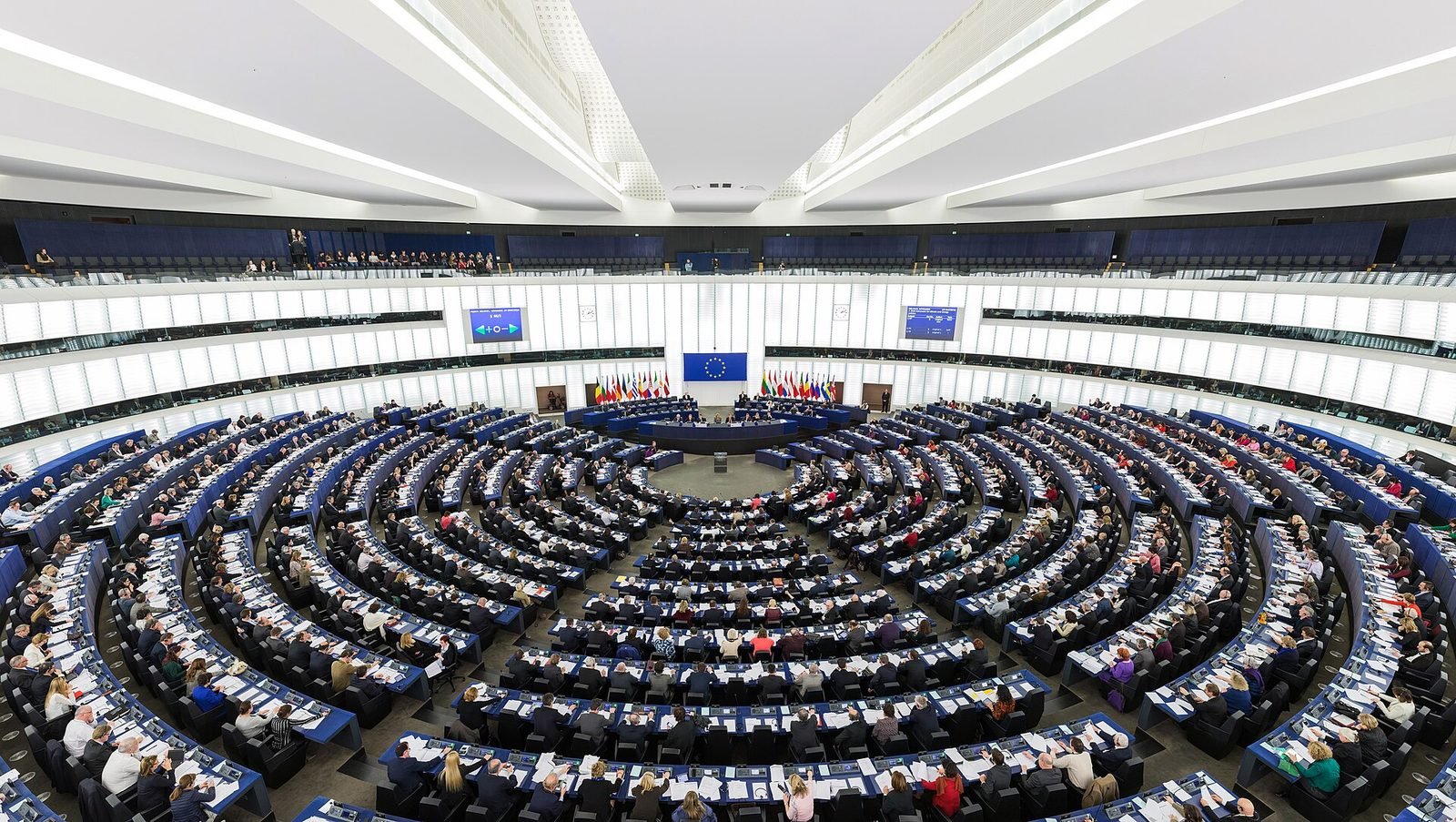
Europe pushed its hardest rules back
The EU's AI Act was due to start applying its strictest obligations, for high-risk systems, on 2 August 2026. Under the Digital Omnibus on AI (voted by the European Parliament on 16 June and approved by the Council on 29 June), those obligations now apply from 2 December 2027 for stand-alone systems, and from 2 August 2028 for AI built into products such as medical devices and machinery.
Not everything moved. Most transparency duties still applied from 2 August 2026, systems already on the market have until 2 December 2026 to mark AI-generated content, and the Omnibus adds a new ban on AI that produces non-consensual sexual imagery or child sexual abuse material.
America is writing its rules state by state
In the United States, the 2026 midterm elections are the first big test of state laws on AI in political ads. The watchdog Public Citizen counted 31 states with election deepfake laws as of July. Most require AI-generated content to be labelled in the run-up to an election; Minnesota and Texas prohibit deceptive deepfakes within set windows, and Maryland does so year-round. Courts struck down California's and Hawaii's laws on free-speech grounds, and there is no federal law.
The disputes have already started. Campaigns and committees in several states have been accused of running AI videos and images of opponents without a label, and at least one candidate has gone to court over unlabelled AI billboards.
What it means here
Neither rulebook binds most Indonesian businesses directly. Indonesia's Personal Data Protection Law already does, and it asks the same basic questions: what data you hold, why you hold it, and who can see it.
The direction everywhere is the same: label what is synthetic, keep a record of what an AI system did, and keep a person accountable for the decisions that matter. A system built that way does not need to be rebuilt when the rules finally land.